
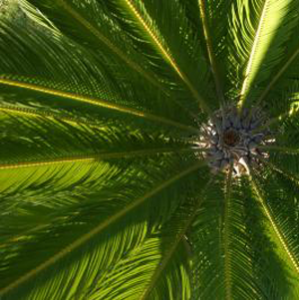
Carnauba Wax is obtained from the leaves of the palm tree known in Latin as ‘Copernica Cerifera’, which is also referred to as the "Tree of Life". The Carnauba palm flourishes in northeastern regions within Brazil, and proliferates naturally along riverbanks, streams and damp low-lands. The tree exudes wax through the petioles of its fan-shaped leaves, which prevent dehydration in the equatorial climate. The palm leaves, harvested in the dry months occurring from September through February are sun-dried and mechanically thrashed to separate the wax from the leaf. The color and quality of the wax are governed by the age of the leaves and care used in processing.
Carnauba Wax is considered among the hardest of natural waxes and produces a very durable film. It has a high melt point, enhances oil retention, is valued as a stable co-emulsifier agent and is an exceptional polishing aid.
Typical Applications: Cosmetics, Glamour Products, Pharmaceuticals, Ointments, Tablet Coatings, Candles, Confections, Investment Casting, Auto, Floor and Shoe Polishes, Carbon Paper, Inks, and Paper Coatings, Fruit Coatings.


